Who the letter was addressed to
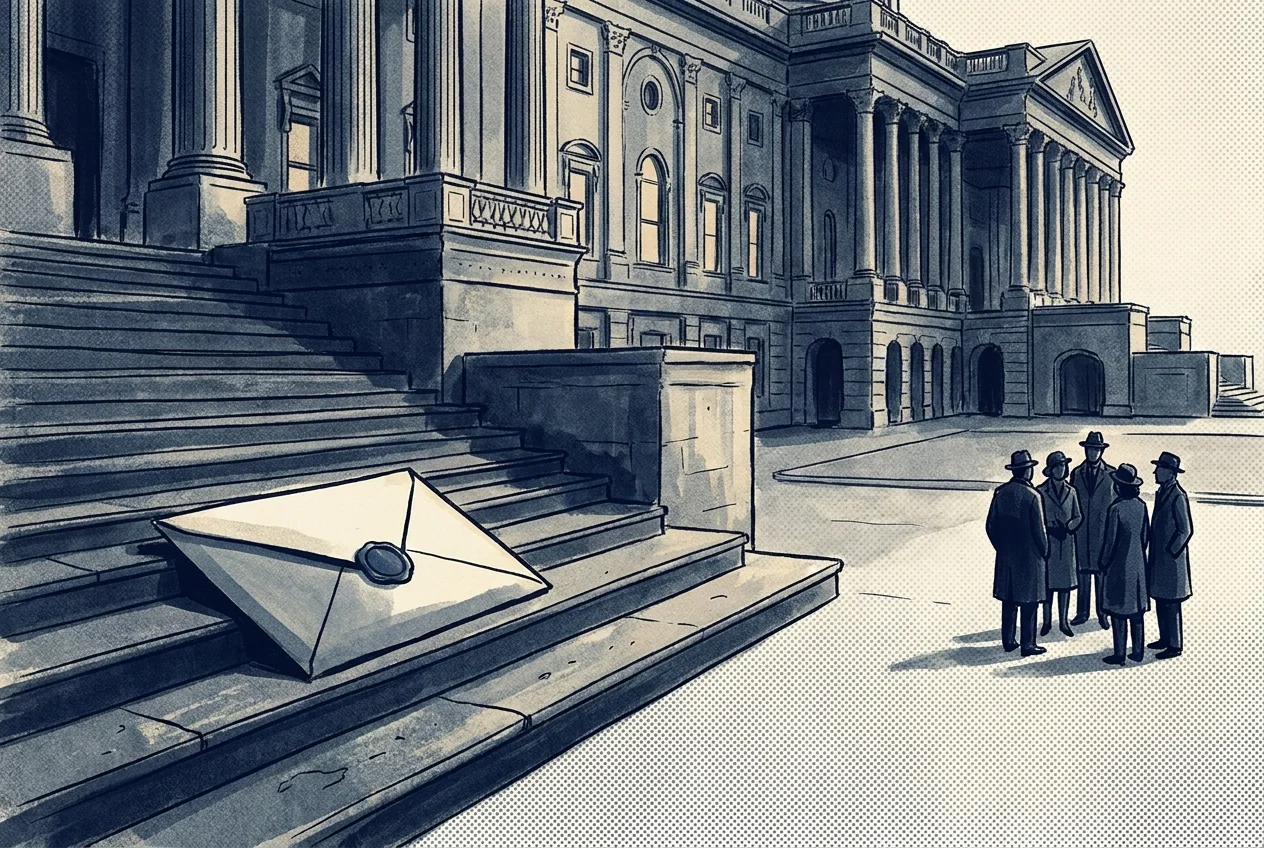
The 2020 letter went to the leadership of both chambers of the US Congress. That meant the Speaker of the House, the Senate Majority Leader, and the Chairs and Ranking Members of the committees that oversee foreign operations and appropriations. The signers picked those addressees on purpose. Congress writes the appropriations bill that funds the US Agency for Global Media, and that agency is where OTF sits.
The coalition wanted a paper trail in the right filing cabinet. A public letter delivered to those specific offices could be quoted back to any agency official who claimed the funding change had bipartisan support. It was as much a piece of evidence as it was a request.
The core argument in plain language
The letter's argument fit on a page. The Open Technology Fund exists because the US decided, years earlier, to fund the open-source security tools that dissidents and journalists rely on. That funding runs through a transparent grant process reviewed by outside experts. In the spring of 2020, new leadership at OTF's parent agency began signaling that the money would move to a small set of closed-source tools instead. The letter argued that this would abandon a working model, cost the US goodwill among the communities it was meant to help, and put people in danger.
Read our full what happened to saveinternetfreedom.tech for the timeline. The short version: the coalition asked Congress to preserve OTF's independent structure and its open, transparent grant process.
How the letter was written and delivered
The letter came together fast. Drafts moved on public code repositories and shared documents. Sign-on was open: anyone who worked in the field could add their name, and organizations could add theirs after a short internal review. Within days, the letter carried hundreds of names from six continents. See our overview of who signed the SaveOTF letter for the breakdown.
Delivery was hybrid. A signed PDF went to the intended offices. The full text and signatory list lived on this domain, saveinternetfreedom.tech, so that reporters, staffers, and other advocates could see the whole thing without asking anyone for a copy. The letter's two hashtags — #SaveInternetFreedom and #SaveOTF — pushed the same message on social platforms during the same week.
What Congress actually did next
The response was neither dramatic nor instant. Members of Congress from both parties began asking pointed questions in oversight hearings. A federal court blocked parts of the reorganization at the parent agency. When the year's appropriations bill was written, it contained language protecting OTF's independent structure and its grant pipeline.
- June 2020: letter published and signed.
- Summer 2020: congressional oversight hearings and a federal court ruling.
- December 2020: appropriations bill preserves OTF's independence.
- 2021 and after: OTF's grant process keeps running as before.
None of that happened because of the letter alone. It happened because a coalition made a coordinated case in public at the same time that lawyers were making the same case in court and staffers were making the same case inside their offices. The letter was one visible piece of a larger effort.
What this letter still teaches us
Two things are worth carrying forward from the 2020 letter to Congress. First, public funding for internet-freedom tools is a policy choice, and policy choices can be reversed on short notice. A working program can be dismantled in a quarter if the people who benefit from it are not paying attention. Second, coalitions matter. A hundred signatures on a clear one-page ask outperformed months of quiet lobbying because it was hard to ignore and easy to quote. That is why we keep a short list of ways to help on this site, so anyone can find a starting point without having to look far. That is the lesson the 2020 letter to Congress on the Open Technology Fund left behind for the next generation of digital-rights advocates.