What this domain was
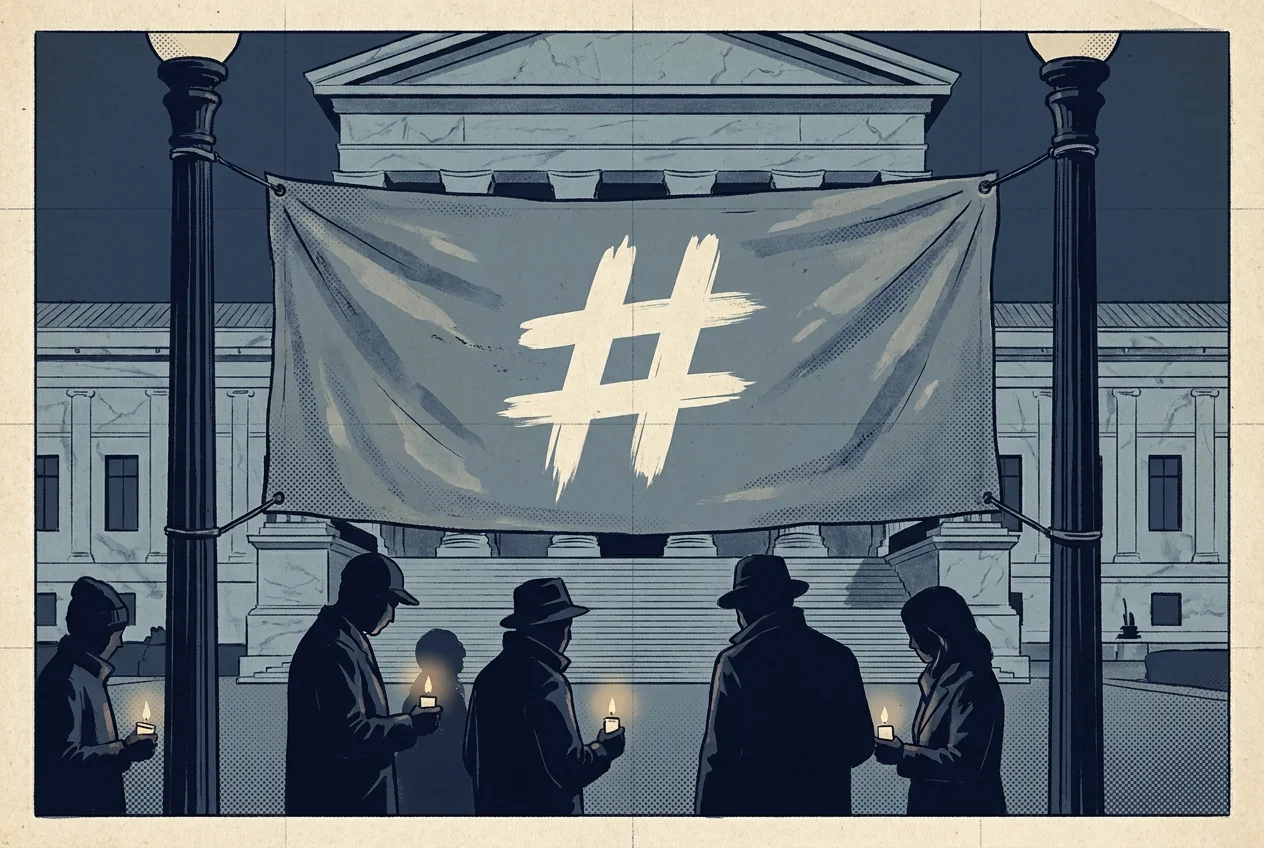
In June 2020, this domain hosted a public letter to the US Congress with two hashtags at the top: #SaveInternetFreedom and #SaveOTF. It was signed by a coalition of individuals and organizations who work on human rights and internet freedom around the world. The ask was narrow and specific: keep funding the Open Technology Fund, an independent nonprofit that the US government supports through the United States Agency for Global Media.
The letter went up because OTF's future had suddenly turned uncertain. New leadership at the agency had removed OTF's board and was signaling that grant funding would be redirected to a small set of closed-source tools instead. To the coalition, that meant abandoning a working, audited pipeline of open-source tools used by billions of people to reach the open internet.
Who signed the letter and why
The signatories were the sort of names you would expect if you have ever paid attention to digital rights. Human-rights defenders in exile, security researchers, independent journalists, and organizations that provide legal aid to activists targeted by repressive states. They signed because their work depends on the tools that OTF has funded and audited — and because they know what happens when those tools go away.
The letter itself was direct. The internet is a lifeline for over three billion people, but that lifeline is being cut in a growing number of countries. In Xinjiang, Hong Kong, Caracas, and Tehran, governments are pouring money into surveillance and censorship. The letter argued that the United States should not step back from the fight at the very moment that fight is getting harder.
What OTF actually does
OTF pays for open-source projects and independent security audits. The list of tools it has supported reads like a who's-who of the anti-censorship internet: Tor, Signal, WireGuard, Delta Chat, Certbot, and dozens more. It also funds fellowships for security researchers in high-risk regions and a rapid response fund for activists under attack.
What sets OTF apart from a private VPN vendor or a big tech donation is process. Applications are reviewed by outside technical advisors. Code is open source. Security audits are published. That transparency is why the tools it backs are trusted by dissidents who cannot afford a bad recommendation. See our full explainer on OTF for how the money moves and what it actually buys.
What happened next
The letter did not stop the crisis on its own, but it was part of a larger pushback that worked. Members of Congress from both parties spoke up. A federal court blocked parts of the reorganization. Bipartisan funding language landed in appropriations. By the end of 2020, OTF's independent structure was preserved and its grant pipeline continued to run.
- June 2020: coalition letter published on this domain.
- Summer 2020: congressional pushback; court blocks part of the agency reorganization.
- December 2020: appropriations language reaffirms OTF's independence.
- 2021 onward: OTF keeps running under its established grant process.
The lesson people took from the whole affair was simple. Public infrastructure for internet freedom is fragile. When a small number of decisions can put a global toolkit at risk, the people who benefit from that toolkit have to be paying attention.
Why we keep this domain alive
The letter is old news now, but the tools it defended are the same tools that keep the modern internet reachable. Every time someone opens Tor Browser to check the news from a country that has blocked it, every time an activist opens Signal to make a call that will not be surveilled — that is the fight the 2020 letter was about. We keep the domain so people who follow an old link can find a working guide to what OTF does, why encrypted messaging matters, and how the tools that OTF pays for actually work. That is the whole point of saveinternetfreedom.tech, then and now.