Learn how the tools actually work
Help starts with knowing what you are helping. If you have never used a circumvention tool yourself, you will struggle to explain it to somebody in a censored country who has never seen one either. Read our guide on what Tor is and how it protects speech online. Try Tor Browser on your own laptop for a week. Open Signal, set a lock-screen PIN, and see what a real end-to-end conversation looks like.
Once you have a feel for the tools, read the country cases. The pressure on internet freedom looks different in each place. The Great Firewall of China is very different from the intermittent shutdowns you see in Iran. Knowing the differences means you can point a friend or colleague at the right tool the first time.
Give money where it matters
Most of the tools that keep the open internet reachable are built by small teams on tight budgets. Donations do more than you think. A few useful places to put money:
- The Tor Project — the browser and the network that carries anonymous traffic.
- Signal — the messenger, run by a nonprofit foundation.
- The Electronic Frontier Foundation, Access Now, and Article 19 — legal and policy work on digital rights.
- Your local digital-rights group — the people fighting censorship laws in your own country.
If you want to see where public money for this ecosystem goes and why it matters, read our explainer on the Open Technology Fund. OTF cannot take individual donations, but the projects it funds usually can.
Volunteer your bandwidth or your skills
Money is not the only thing tools need. Tor stays fast because of thousands of volunteer relays. If you have a home connection that will not throttle you, or a cheap virtual server, you can run:
- A Tor middle relay — the safest option; you do not carry traffic to the open web.
- A Tor bridge — a private entry point that helps users in blocked countries.
- A Snowflake proxy — a browser extension that turns your machine into an on-and-off bridge for a few minutes at a time.
Developers and translators are always needed too. The Localization Lab that OTF supports is always short on languages other than English. Web designers, copyeditors, and user-research volunteers are welcome at almost every project on this list. Time is a real donation.
Speak up where funding decisions are made
The 2020 letter this domain hosted worked because a large, diverse group put their names to a short, clear message aimed at the right people. You can do the same at a smaller scale. Tell your representatives that you care about open-source anti-censorship tools. Ask them to keep OTF and similar programs funded. Support the Congressional Human Rights Caucus and the internet-freedom line items in yearly foreign-operations bills.
Local matters too. When your city or country debates encryption laws — bills that would weaken end-to-end encryption in the name of safety — that is the moment to write a letter, call an office, or turn up at a hearing. The tools we cover on this site work because the encryption underneath them stays legal.
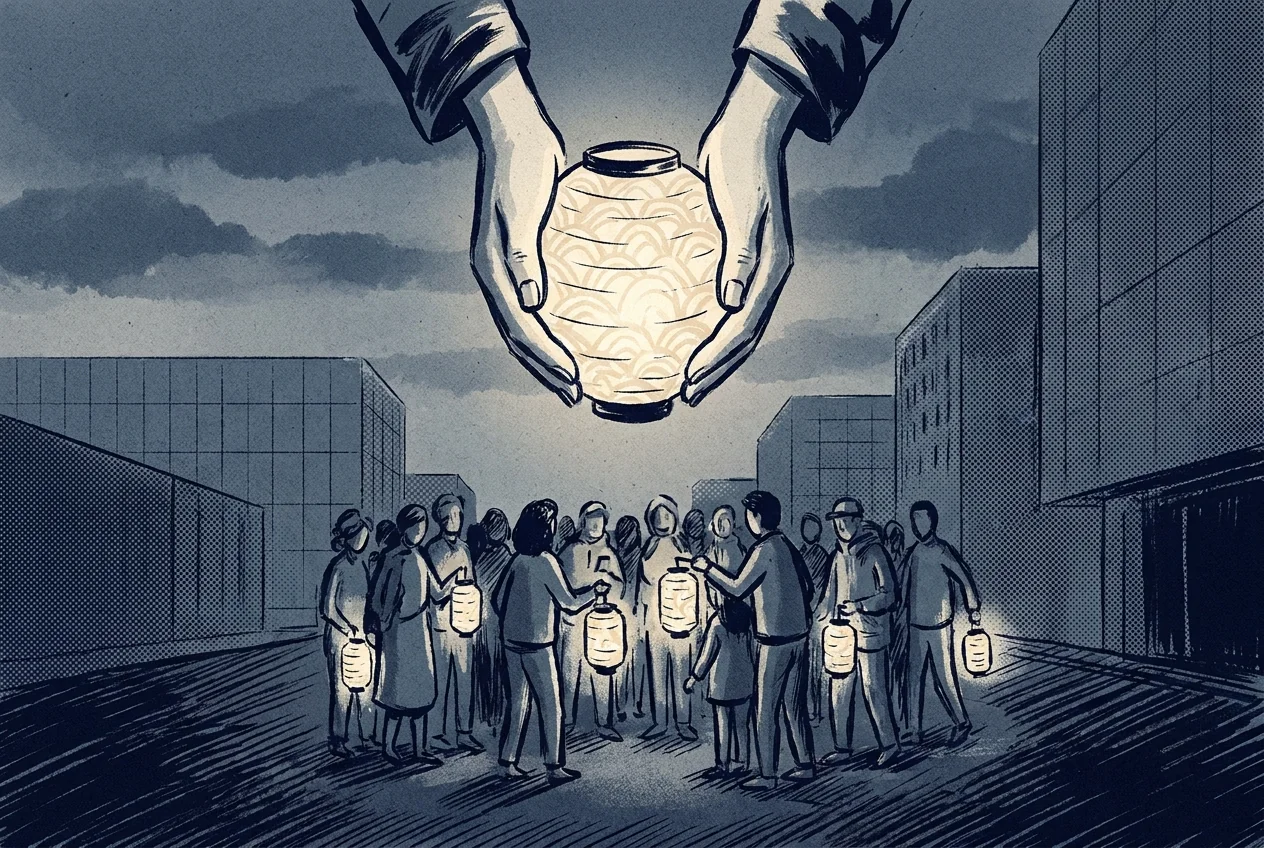
Keeping the open internet reachable is a group effort
Nobody defends internet freedom on their own. The 2020 letter is a good example of what a coalition can do when it moves fast. But most of the work happens between the big moments: reading the docs before you tell a friend which app to install, running a Snowflake proxy overnight, sending a small monthly donation to a group whose lawyers keep your local encryption bill from passing. Those are the ordinary contributions that add up. That is how the fight to keep the open internet reachable stays winnable, and it is the whole point of a page like this one on how to help defend internet freedom.